
Operations
The route, watched whole.
Where the drugs come from, how they move, and what the three states do about it together.
- Southern Route — Indian Ocean legs
- Inland corridors by road
- Outbound air vector
- Public-record interdiction
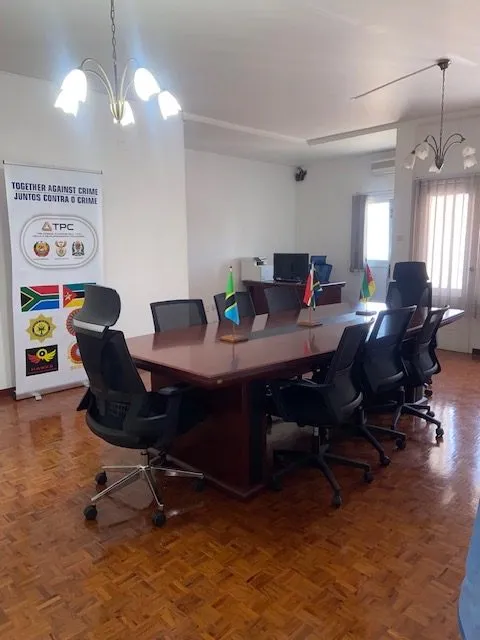
- TPC headquarters, Maputo
The route
One route. Three coastlines. Every mode.
Heroin and methamphetamine leave the Makran coast, cross the Indian Ocean by dhow, and come ashore on the East and Southern African seaboard — principally Tanzania and Mozambique. From there cargo moves by road and air through border posts, inland corridors and airports toward the region’s most lucrative markets.
South Africa has become both a demand and a transit country — partially owing to its extensive international transport connections — posing a significant and growing threat to public safety and economic stability.
Further vectors in the public record
Cocaine
Across the Atlantic from Latin American trans-shipment points.
Cannabis
Moving from the Kingdom of Eswatini into South Africa.
Outbound air cargo
South Africa is not only a destination: consignments leave through its airports — the OR Tambo → Lagos case.
Main narcotics
What moves
- Heroin
- Crystal methamphetamine
- Hashish
- Cocaine
- Cannabis
- Precursor chemicals
- Mandrax
- Ecstasy
It has been established that the East and Southern African coastline has become a major narcotic-smuggling route to the most lucrative international markets.
As a result of regional cooperation, well-established and high-risk routes have been identified.
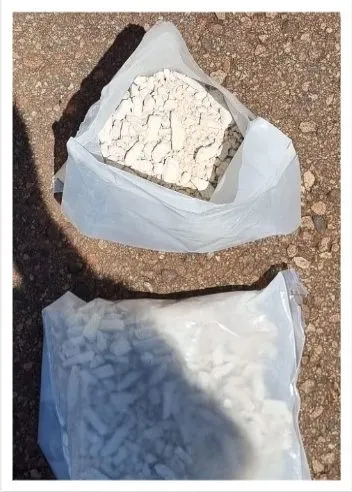
Heroin — Limpopo, January 2024 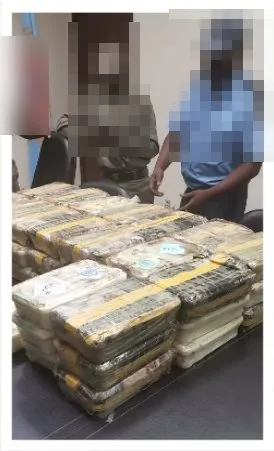 Details withheld
Methamphetamine — Vilankulo, March 2024 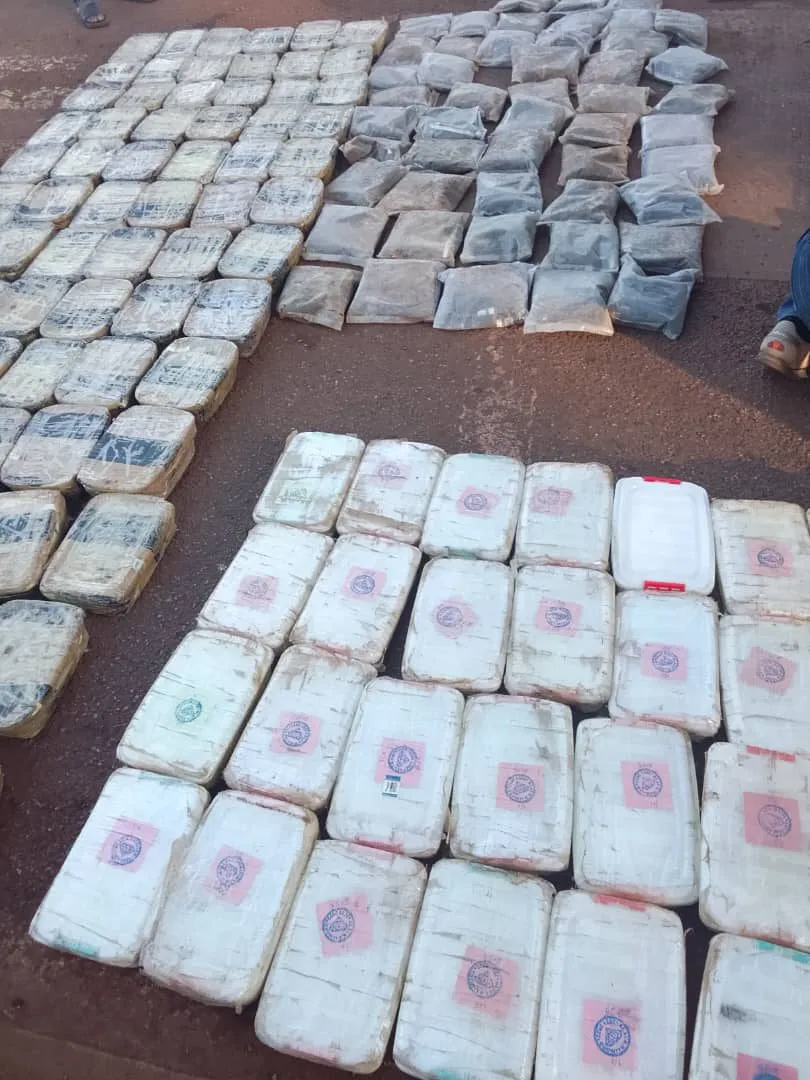
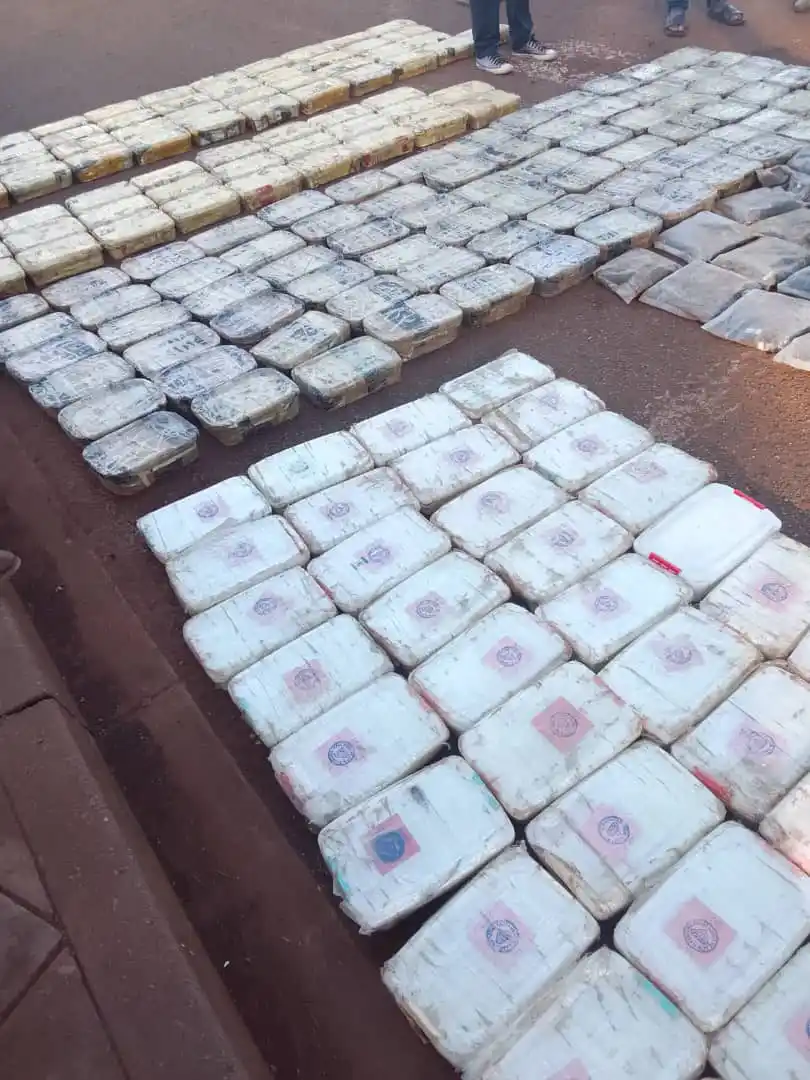
Methamphetamine, crack cocaine and heroin — Lomahasha, July 2025
How we work
The seven lines of work
Defined by the TROIKA record. Open a line to read its mandate.
The information cycle
How information becomes action
The TPC database turns what each service already sees into targets the region can act on — in three steps, ending in an actionable outcome.
Member states forward
Member states forward criminal data to the TPC — such as modus operandi, concealment methods, contact numbers, identity of suspects, routes, photographs and fingerprints.
The TPC analyses
The TPC analyses the information and the end product is disseminated to the trilateral and partner states. Targets are identified and addressed during joint operations.
Targets are actioned
Targets are identified and dealt with by member countries or during joint operations.
Actionable outcome
One form, three states, two languages
The Standardised Suspect Information Form is a single bilingual (English / Portuguese) template used across all three states. Its fields:
- Case
- Judiciary process; police station and city; case number; country.
- Particulars of suspect
- Surname, forenames, nationality, date of birth, sex, passport, contact details, alias.
- Route
- Date and place of arrest, country of departure, final destination, transit countries.
- Attributes
- Quantity, concealment method, photographs or images of the seizure, travelling method.
- Supplier and recipient
- Particulars of the supplier and of the recipient.
- Judicial process
- Police station and case number, outcome, financial investigation.
- For office use
- TPC reference number, date received, date captured on database.
The blank form contains no data. The site describes the form and the cycle — never a populated form, a TPC reference number or any record content.
A case, in five beats
How a case moves
Five beats, drawn from the public Badplaas record. Agencies may be named. Persons never.
- The TPC convenes
- Intelligence shared
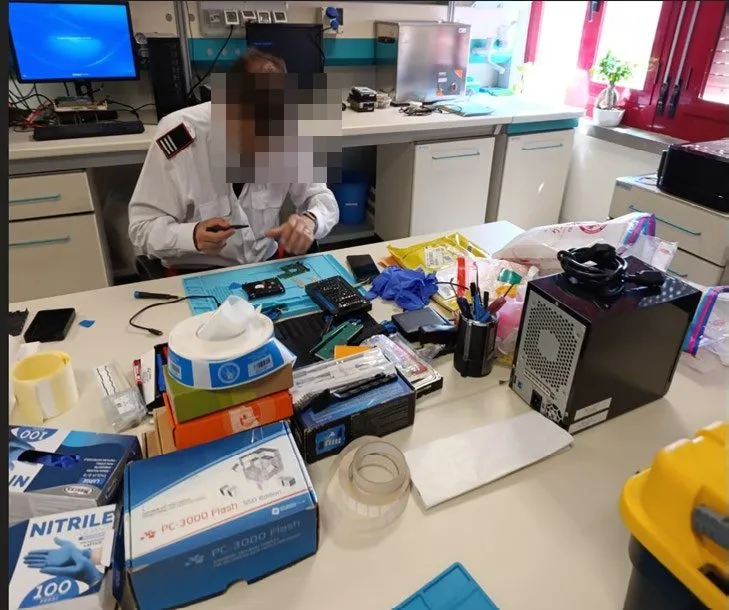 Details withheld
 - Movement tracked
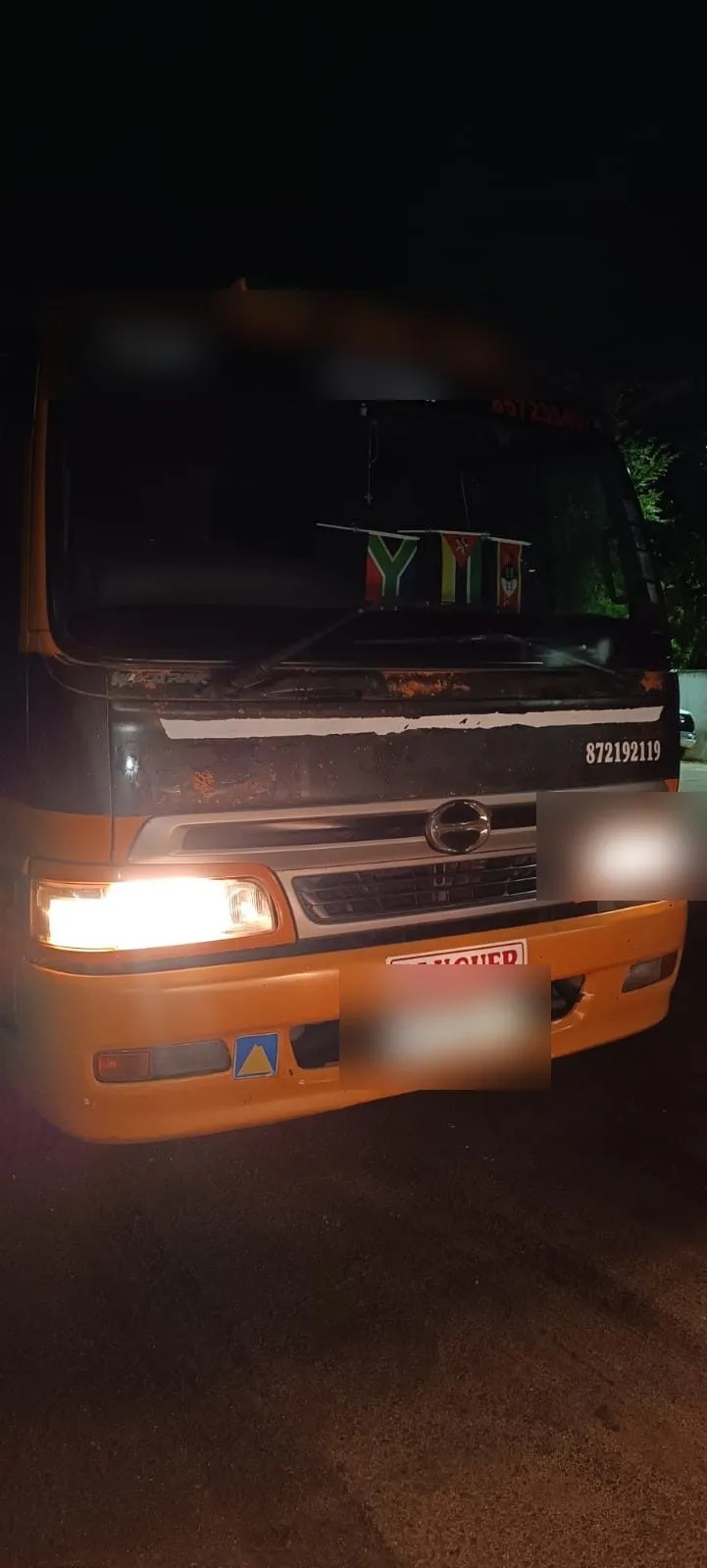 Details withheld
 - Interdiction
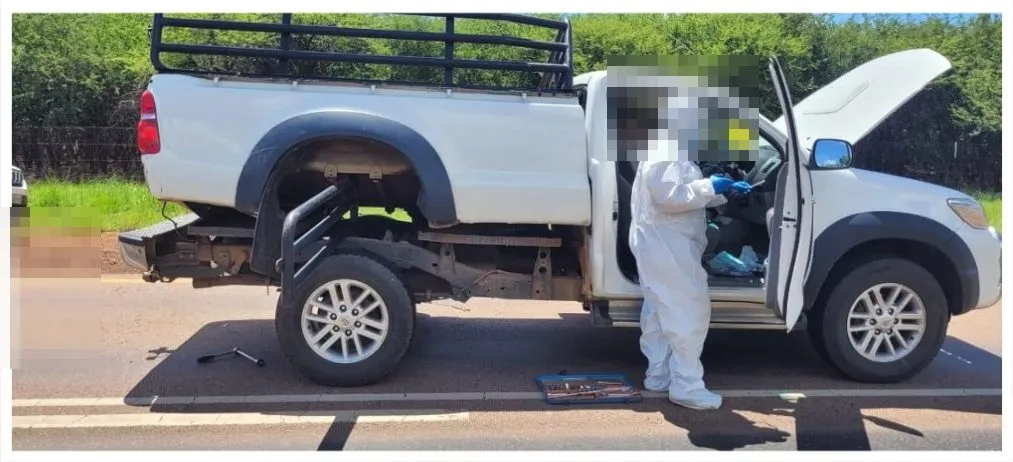 Details withheld
 - The network followed
Threat picture
The evolving threat
This section is published once the Secretariat clears the material for public release.